-
Your next favorite book
is waiting.
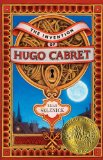
Orphan, clock keeper, and thief, Hugo lives in the walls of a busy Paris train station, where his survival depends on secrets and anonymity. But when his world suddenly interlocks with an eccentric, bookish girl and a bitter old man who runs a toy booth in the station, Hugo's undercover life, and his most precious secret, are put in jeopardy. A cryptic drawing, a treasured notebook, a stolen key, a mechanical man, and a hidden message from Hugo's dead father form the backbone of this intricate, tender, and spellbinding mystery.
"Starred Review. Here is a true masterpiece—an artful blending of narrative, illustration and cinematic technique, for a story as tantalizing as it is touching. Ages 9-12." - Publishers Weekly.
"Starred Review. Leaving much to ponder about loss, time, family, and the creative impulse, the book closes with a waning moon, a diminishing square, and informative credits. This is a masterful narrative that readers can literally manipulate. Grades 4-9." - School Library Journal.
"This hybrid creation, which also includes movie stills and archival photographs, is surprising and often lovely, but the orphan's story is overshadowed by the book's artistic and historical concerns .... Nonetheless, bookmaking this ambitious demands and deserves attention ..." - Booklist.
"It is wonderful. Take that overused word literally: Hugo Cabret evokes wonder. At more than 500 pages, its proportions seem Potteresque, yet it makes for quick reading because Selznick’s amazing drawings take up most of the book. While they may lack the virtuosity of Chris Van Allsburg’s work or David Wiesner’s, their slight roughness gives them urgency. The result is a captivating work of fiction that young readers with a taste for complex plots and a touch of magic — think Harry H., not Harry P. — can love." - New York Times.
"This unforgettable work is homage to early cinema, to human curiosity, and to magic, that manages to evoke, in even the most the modern, high-tech, wired reader a sense of wonder at the splendid creations of the world in 1931." - Children's Literature.
"Part mystery, part feel-good drama, and part picture book for older readers, this novel will fly off the shelf simply because of its visual appeal." - VOYA.
"The book, an homage to early filmmakers as dreammakers, is elegantly designed to resemble the flickering experience of silent film melodramas. Fade to black and cue the applause! Fiction 9-12." - Kirkus Reviews.
This information about The Invention of Hugo Cabret was first featured
in "The BookBrowse Review" - BookBrowse's membership magazine, and in our weekly "Publishing This Week" newsletter. Publication information is for the USA, and (unless stated otherwise) represents the first print edition. The reviews are necessarily limited to those that were available to us ahead of publication. If you are the publisher or author and feel that they do not properly reflect the range of media opinion now available, send us a message with the mainstream reviews that you would like to see added.
Any "Author Information" displayed below reflects the author's biography at the time this particular book was published.

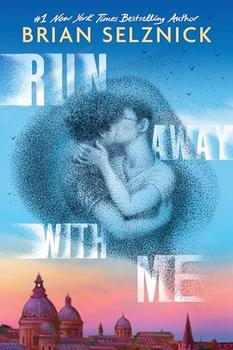
Brian Selznick is the author and illustrator of many books for children, including The Invention of Hugo Cabret, winner of the Caldecott medal and the basis for the Oscar-winning movie Hugo, directed by Martin Scorsese. His newest book, Run Away With Me, is his first Young Adult novel and will be published in April of 2025. His book (his first for an adult audience), Live Oak, With Moss, is based on twelve poems by Walt Whitman. Brian is married to Dr. David Serlin, a writer, editor, and professor at the University of California, San Diego. They divide their time between San Diego, California and Brooklyn, New York.


If you liked The Invention of Hugo Cabret, try these:
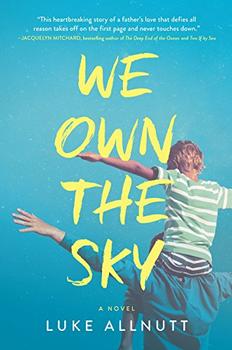
by Luke Allnutt
Published 2019
A triumphant story about love, loss and finding hope - against all odds.
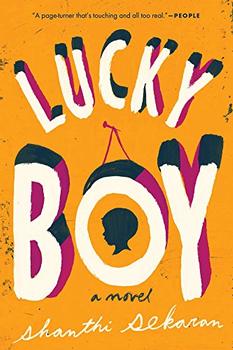
by Shanthi Sekaran
Published 2017
A gripping tale of adventure and searing reality, Lucky Boy gives voice to two mothers bound together by their love for one lucky boy.
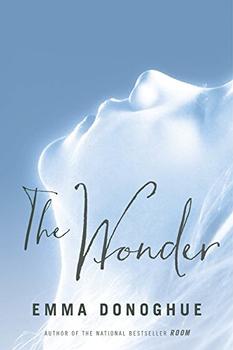
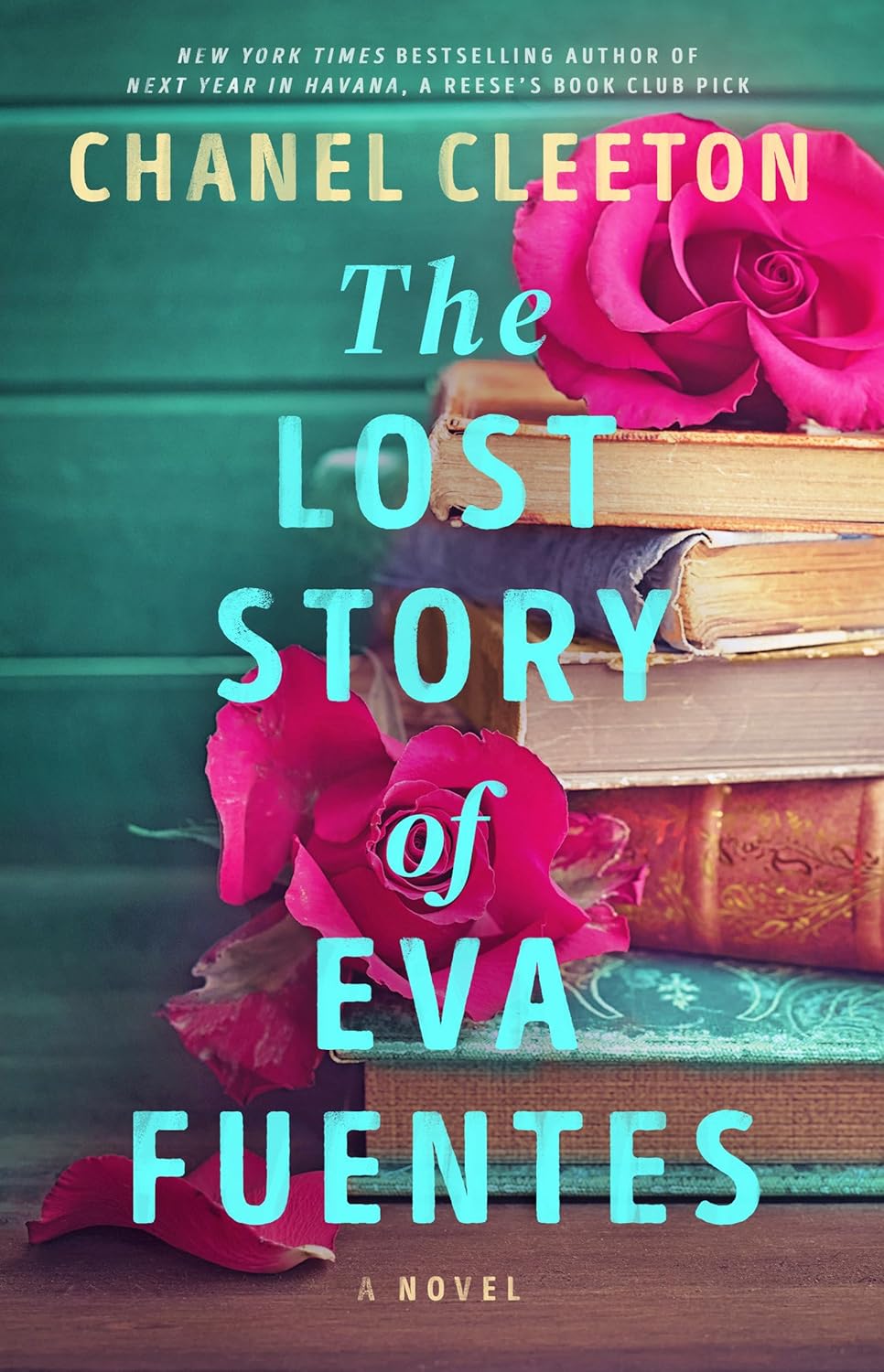
by Emma Donoghue
Published 2017
In Emma Donoghue's latest masterpiece, an English nurse brought to a small Irish village to observe what appears to be a miracle - a girl said to have survived without food for months - soon finds herself fighting to save the child's life.
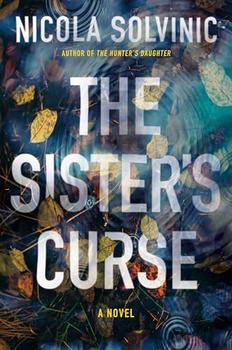
 (1).gif)
Knowledge is of two kinds. We know a subject ourselves, or we know where we can find information on it.
Click Here to find out who said this, as well as discovering other famous literary quotes!

Can you name the title?
Test your book knowledge with our daily trivia challenge!
Your guide toexceptional books
BookBrowse seeks out and recommends the best in contemporary fiction and nonfiction—books that not only engage and entertain but also deepen our understanding of ourselves and the world around us.